


Why Nanoseptic Buttons Are Essential for a Germ-Free Environment
Elevator buttons, door handles, and touch screens get touched hundreds of times daily, making them prime breeding grounds for harmful bacteria and viruses. For facility managers, building owners, and health-conscious organizations, nanoseptic buttons offer a breakthrough solution that actively destroys germs on contact without chemicals or constant cleaning.
This antimicrobial surface technology uses mineral nanocrystals powered by visible light to create a hostile environment for germs, breaking down organic contaminants around the clock. We'll explore how nanoseptic technology works to eliminate bacteria and viruses, show you the wide range of high-touch surfaces where these self-cleaning solutions can be applied, and share real success stories from facilities already using this infection control technology to protect their occupants.
Nanoseptic buttons—such as these NanoSeptic elevator button covers—actively destroy germs on contact without chemicals or constant cleaning.
How Nanoseptic Technology Creates a Hostile Environment for Germs
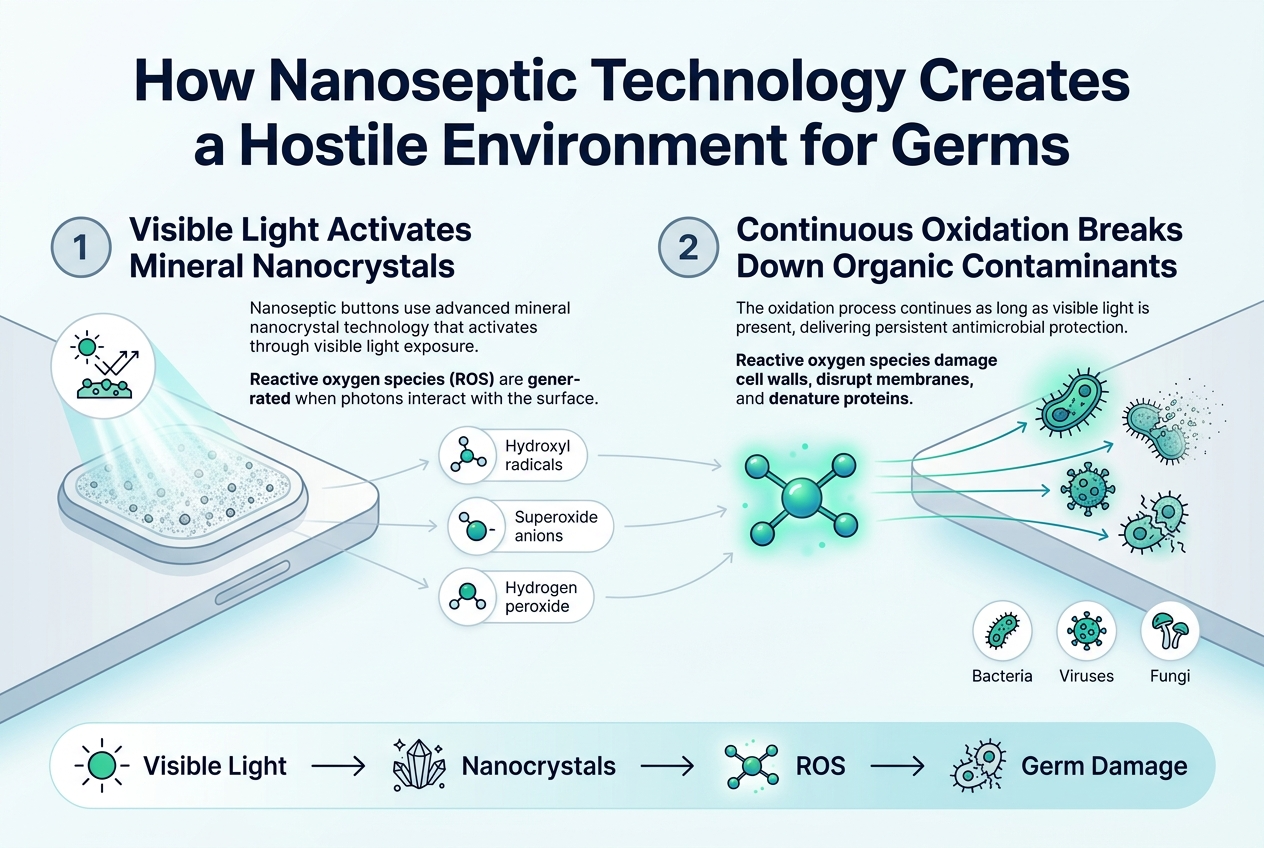
Mineral nanocrystal technology harnesses visible light power
Nanoseptic buttons utilize advanced mineral nanocrystal technology that activates through visible light exposure, creating a powerful antimicrobial mechanism. These nanocrystals generate reactive oxygen species (ROS) when exposed to photons, producing highly reactive molecules including hydroxyl radicals, superoxide anions, and hydrogen peroxide that actively target harmful microorganisms.
Continuous oxidation reaction breaks down organic contaminants
The oxidation process operates continuously as long as visible light is present, ensuring persistent antimicrobial protection on high-touch surfaces. These reactive oxygen species damage bacterial cell walls, disrupt membranes, and cause protein denaturation while interfering with essential cellular functions. This multi-pathway attack effectively eliminates bacteria, viruses, and fungi through oxidative stress that breaks down organic contaminants at the molecular level.
Versatile Applications for High-Touch Surfaces
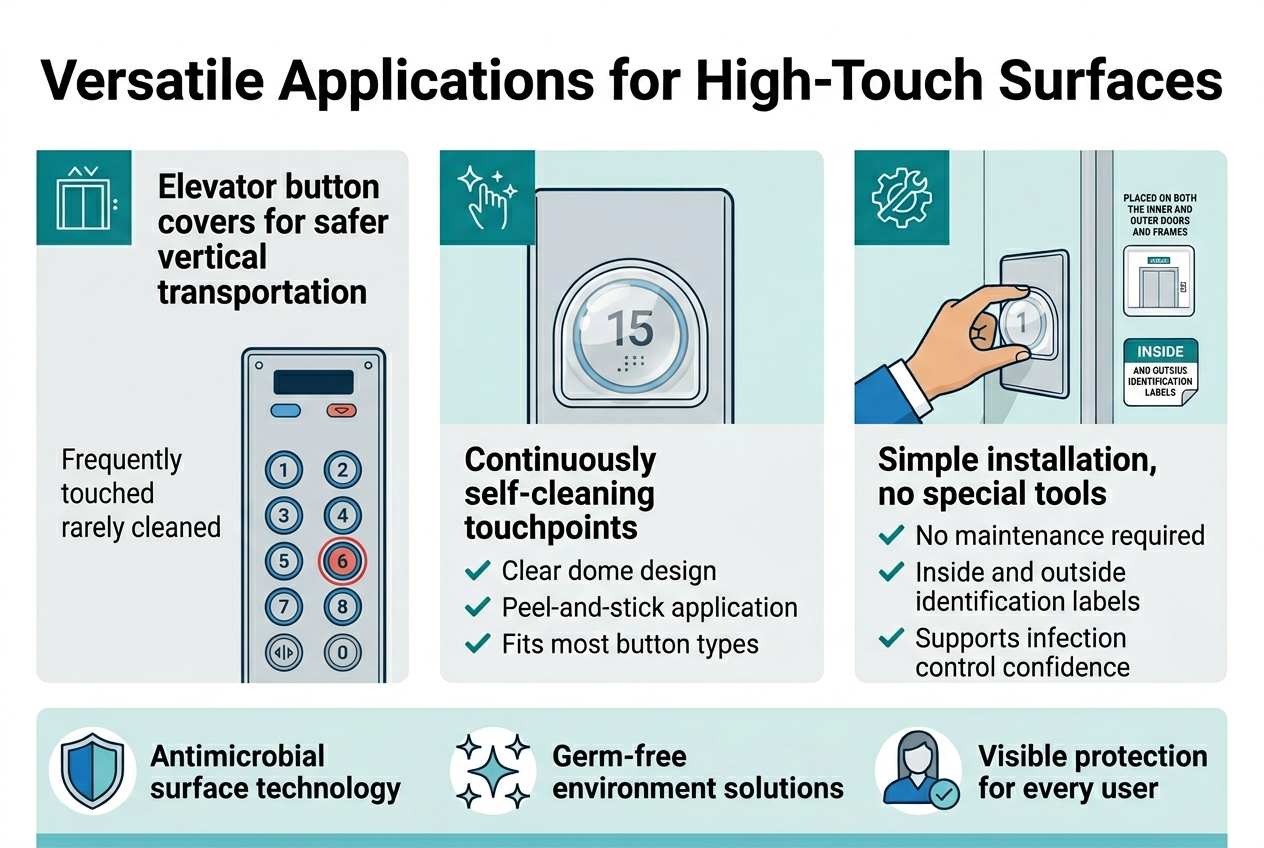
Elevator button covers for safer vertical transportation
Elevator buttons represent one of the most frequently touched surfaces in any facility, yet they're rarely cleaned despite being contacted by virtually every user. Nanoseptic button covers transform these high-touch surfaces into continuously self-cleaning touchpoints through simple peel-and-stick application. These clear domes easily apply to most button types while allowing floor numbers to remain visible through the optically clear material.
The installation process requires no special tools or maintenance, making it an ideal solution for building managers seeking effective touchpoint hygiene solutions. Each pack includes identification labels for both inside and outside elevator areas, helping users recognize the antimicrobial surface technology in use while promoting confidence in the facility's commitment to infection control technology and germ-free environment solutions.
Need Reliable Wholesale Supplies for Your Facility?
Hotels, healthcare facilities, restaurants, and commercial operations across USA trust Linen Plus for consistent bulk supply and commercial-grade quality.

Bulk Wholesale Pricing
Competitive pricing for large-volume procurement.

Reliable Nationwide Supply
Consistent inventory and fast shipping across USA.

Hospitality & Healthcare Grade
Products designed for demanding commercial environments.
Simple Installation and Maintenance Benefits
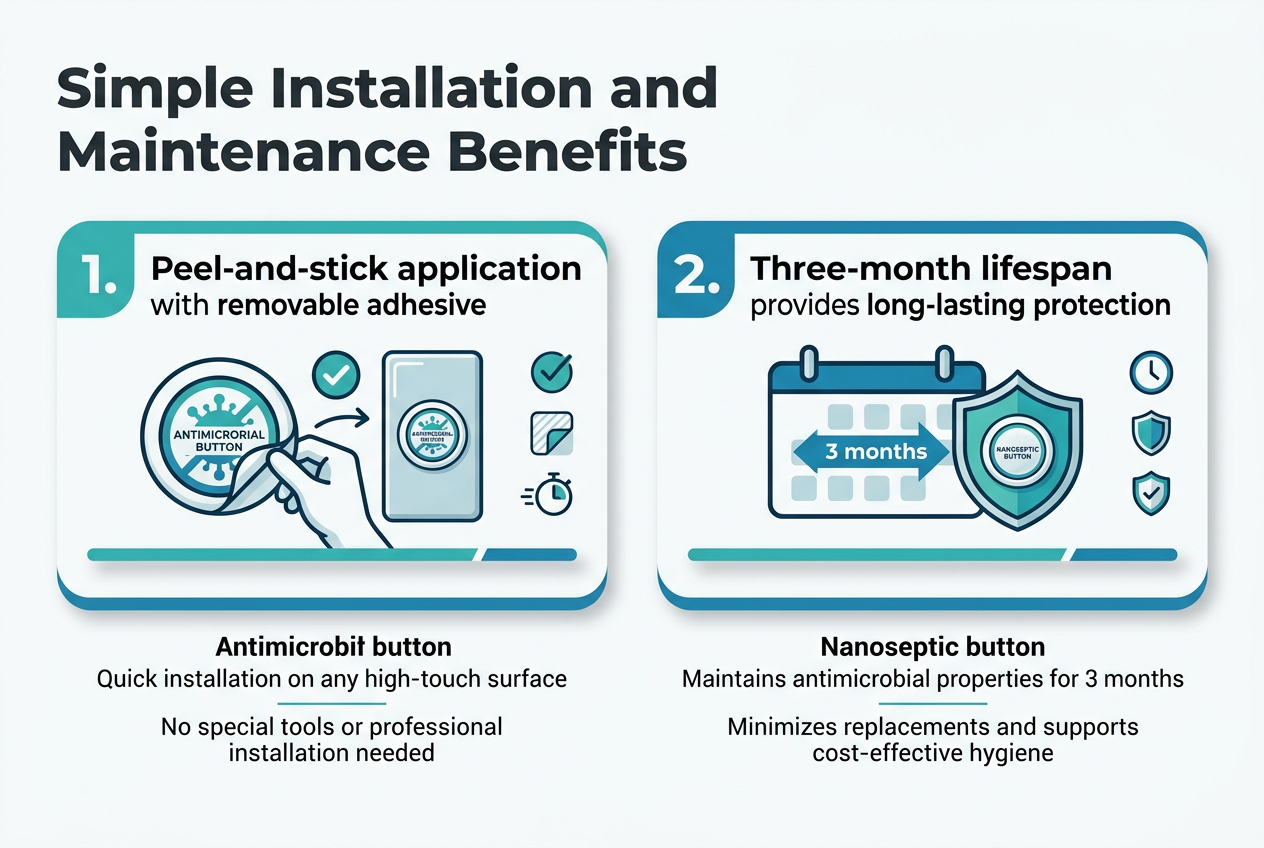
Peel-and-stick application with removable adhesive
Now that we have covered how nanoseptic technology creates a hostile environment for germs, let's explore the practical installation benefits. Nanoseptic buttons feature a simple peel-and-stick application system with removable adhesive backing. This user-friendly design allows for quick installation on any high-touch surface without requiring special tools or professional installation services.
Three-month lifespan provides long-lasting protection
With this installation simplicity in mind, the impressive durability becomes apparent. Each nanoseptic button maintains its antimicrobial properties for a full three months of continuous use. This extended lifespan ensures consistent germ-killing protection while minimizing the frequency of replacements, making it a cost-effective solution for maintaining hygienic environments.
Real-World Implementation Success Stories
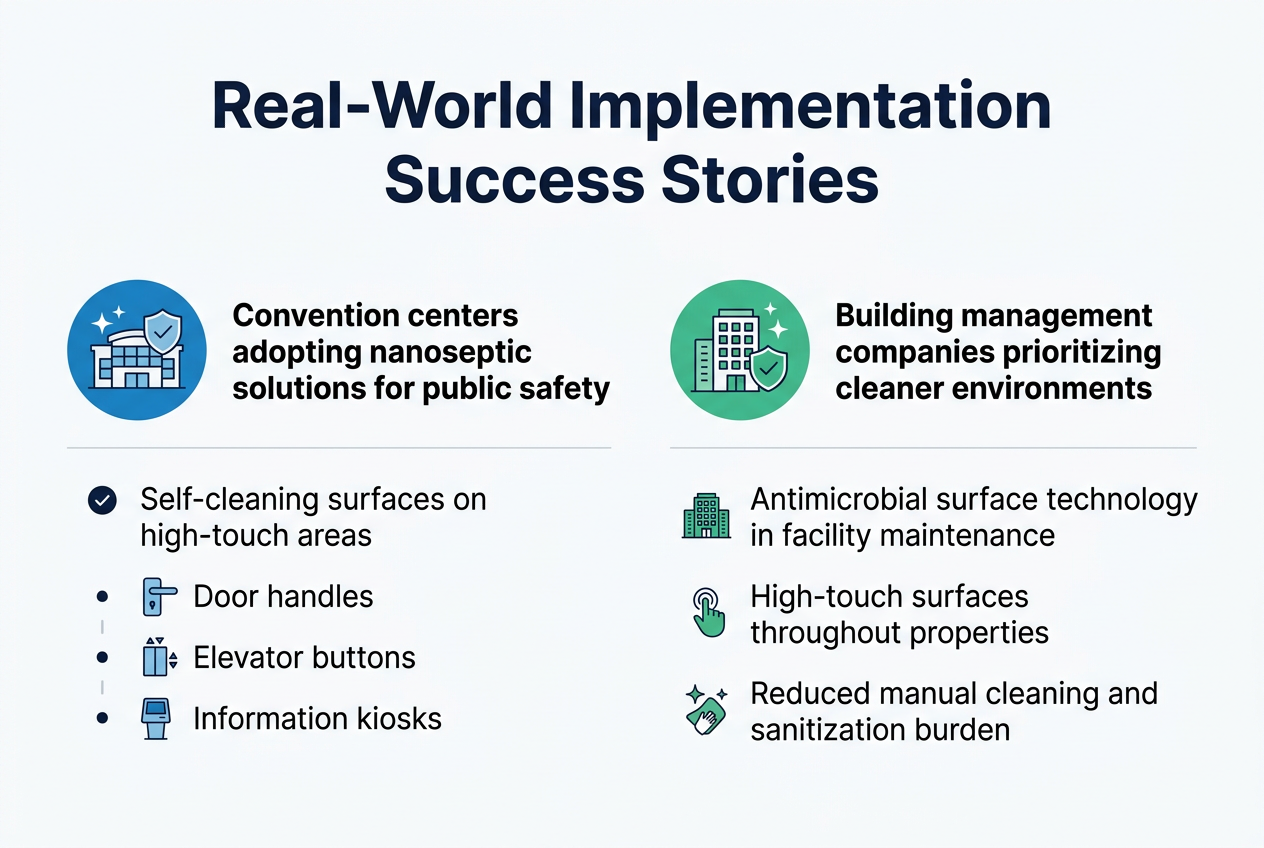
Convention centers adopting nanoseptic solutions for public safety
Convention centers have recognized the value of nanoseptic technology for maintaining cleaner environments in high-traffic public spaces. These facilities are implementing self-cleaning surfaces on touchpoints like door handles, elevator buttons, and information kiosks to reduce contamination risks for attendees.
Building management companies prioritizing cleaner environments
Commercial building management companies are increasingly integrating nanoseptic surfaces as part of their comprehensive facility maintenance strategies. By installing these antimicrobial surface technology solutions on high-touch surfaces throughout their properties, they're creating safer environments while reducing the burden of constant manual cleaning and sanitization efforts.
Frequently Asked Questions(FAQ)
1. How do NanoTouch (nanotouch) surfaces work?
Answer:
NanoTouch surfaces use nanotechnology-based antimicrobial coatings—typically containing mineral nanocrystals or metal nanoparticles (like silver or copper). These materials:
- Interact with microbes at the molecular level
- Disrupt cell membranes and inhibit vital functions
- Continuously reduce contamination on contact [mdpi.com], [antimicrob...copper.org]
In many modern systems (like NanoTouch/NanoSeptic), the surface is light‑activated and triggers oxidation reactions that break down organic matter.
2. How does a self-cleaning button work?
Answer:
A self-cleaning button (e.g., elevator or door button) works using:
- Light-activated nanocrystals
- Continuous oxidation reactions
- Production of reactive molecules (free radicals)
These processes:
- Destroy bacteria and viruses
- Break down organic contaminants into harmless substances (like CO₂ and water) [linenplus.com]
The cleaning is continuous (24/7) as long as light is present.
3. Why are nanoparticles used for self-cleaning windows?
Answer:
Nanoparticles are used because they create special surface properties:
Two main mechanisms:
-
Photocatalytic (hydrophilic)
- Titanium dioxide nanoparticles break down dirt using sunlight
- Rainwater washes away residues [explainthatstuff.com]
-
Hydrophobic (lotus effect)
- Water forms droplets and rolls off
- Dirt is carried away with the droplets [argowindowrepair.com]
Result: windows stay clean longer with minimal maintenance.
4. How do NanoSeptic self-cleaning buttons work?
Answer:
NanoSeptic buttons use:
- Mineral nanocrystals bonded to the surface
- Powered by visible light
Working principle:
- Light activates nanocrystals
- Oxidation reaction begins
- Organic contaminants are chemically broken down
This produces:
- Continuous antimicrobial action
- No release of chemicals or toxins [konespares.com]
5. What is NanoSeptic?
Answer:
NanoSeptic is a self-cleaning surface technology that:
- Uses nanotechnology and material science
- Continuously disinfects surfaces through oxidation
- Works without chemicals or manual cleaning
It is:
- Non-toxic
- Non-leaching (nothing released)
- Environmentally friendly
- Active 24/7 under light [NanoSeptic...Protection]
6. (Repeat) How do nanotouch surfaces work?
Answer:
They work through:
- Nanoparticle coatings (silver, copper, or mineral catalysts)
- Continuous antimicrobial action
- Chemical breakdown of contaminants via oxidation or ion release
Key idea: they don’t just repel dirt—they actively destroy microbes.
7. (Repeat) How does a self-cleaning button work?
Short answer:
It uses light-activated nanotechnology to:
- Generate reactive oxygen species
- Continuously destroy microbes and organic matter
8. (Repeat) Why are nanoparticles used for self-cleaning windows?
Short answer:
Because they enable:
- Sunlight-activated decomposition of dirt
- Water-repellent surfaces
- Easy removal of contaminants
9. What are the 5 rules of smart cleaning?
Answer:
Commonly accepted 5 smart cleaning principles are:
- Clean from top to bottom
- Clean before disinfecting
- Use the right cleaning products
- Avoid cross-contamination (separate tools)
- Focus on high-touch/high-impact areas first [binx.ca]
10. What are the disadvantages of self-cleaning toilets?
Answer:
Key drawbacks include:
- Higher cost than regular toilets
- Require maintenance and power
- May still need manual cleaning
- Moist environments can promote bacterial growth in parts (e.g., nozzles) [cleanlink.com]
- Complex technology → potential repair issues
11. Is nanoclean environmentally friendly?
Answer:
Generally, yes—with conditions:
Benefits:
- Reduces chemical cleaning agents
- Uses non-toxic, non-leaching materials
- Low maintenance requirements
Concerns:
- Some nanoparticles (e.g., silver) may pose environmental risks if released
- Long-term ecological effects are still being studied
Technologies like NanoSeptic specifically aim to be “green” and non-toxic [NanoSeptic...Protection]
12. What are nano bacteria?
Answer:
“Nanobacteria” can refer to:
- Microorganisms studied at nanoscale size, or
- A controversial term sometimes used for extremely small particles once thought to be living organisms
In cleaning and nanotech context:
- It usually refers to bacteria targeted or affected by nanoparticles, not actual nano-sized living bacteria.
13. What is the new technology for septic tanks?
Answer:
Modern septic systems use:
Advanced technologies:
- Bio-augmentation (beneficial bacteria) to break waste faster
- Low-flow and water-saving systems
- Aerobic treatment units (ATU) using oxygen for better breakdown
- Smart monitoring sensors
- Eco-friendly filtration systems
These improvements:
- Increase efficiency
- Reduce maintenance
- Improve wastewater treatment quality
Conclusion
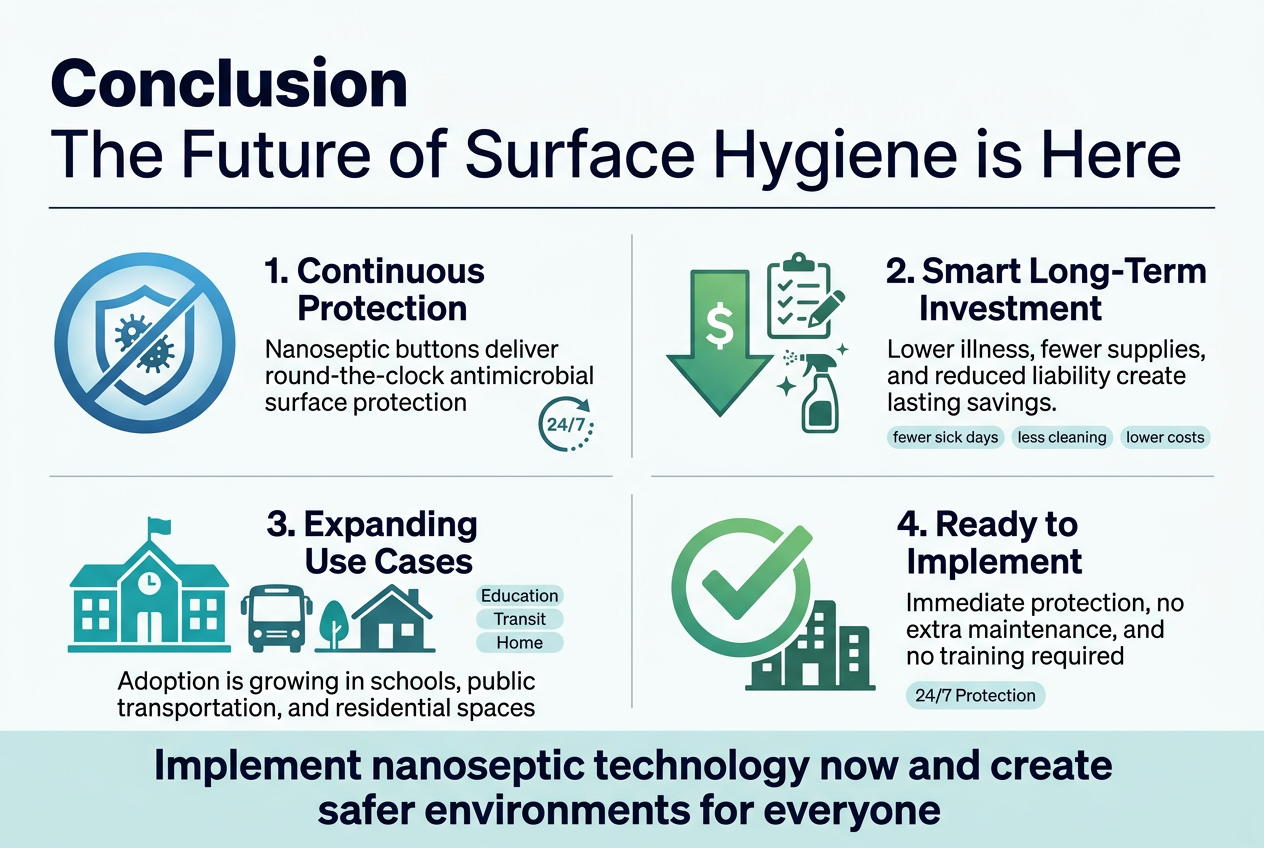
The Future of Surface Hygiene is Here
Nanoseptic buttons represent a paradigm shift in how we approach infection control technology. The evidence is clear: these antimicrobial nanoseptic surfaces deliver consistent, round-the-clock protection that traditional cleaning methods simply can't match. With the growing awareness of surface-transmitted infections, investing in nanoseptic technology benefits isn't just smart—it's essential for any organization serious about health and safety.
Smart Investment for Long-Term Health Benefits
The economics tell a compelling story. While the upfront investment in antimicrobial surface technology may seem significant, the long-term savings in reduced illness, fewer cleaning supplies, and decreased liability make nanoseptic buttons a financially sound choice. Healthcare facilities report measurably lower infection rates, while office buildings see reduced sick days among employees. These self-cleaning surfaces pay for themselves through improved productivity and reduced healthcare costs.
Beyond Current Applications
Current trends point toward expanded adoption across new sectors. Educational institutions are recognizing the value of high-touch surface protection in maintaining healthy learning environments. Public transportation systems are exploring touchpoint hygiene solutions to protect commuters. Even residential applications are gaining traction as homeowners seek germ-free environment solutions for high-traffic areas.
Your Next Step Toward Better Health
The question isn't whether antimicrobial surfaces will become standard—it's how quickly organizations will adapt to this proven technology. Nanoseptic buttons offer immediate protection that works 24/7, requiring no additional maintenance or training. For facilities managers, healthcare administrators, and business owners, the choice is clear: implement nanoseptic technology now and create safer environments for everyone who walks through your doors.


