


Discover how mezzanines can transform the hospitality industry, enhancing space efficiency and guest experience while driving revenue growth and innovation.
The Benefits of Mezzanines for Space Optimization
In the ever-evolving field of hospitality, one of the most pressing challenges is space optimization. The need to maximize every square foot without compromising the guest experience is a constant concern for hoteliers and restaurant owners alike. This is where mezzanines come into play. By introducing an additional intermediate floor within the existing structure, mezzanines provide a clever solution to space constraints, allowing operators to make the most of their vertical real estate.
According to global industrial metrics, the global mezzanine floor market is projected to reach an estimated $7.8 billion, expanding at a robust Compound Annual Growth Rate (CAGR) of 6%. This boom is heavily driven by commercial facilities realizing they can expand operational footprint vertically without entering the volatile, high-cost real estate market.
Mezzanines can transform underutilized areas into functional spaces, be it additional guest rooms, lounges, or dining areas. This vertical expansion can often be achieved without the need for extensive structural modifications or additional land acquisition, making it an attractive option for businesses looking to expand capacity without significant downtime or disruption. The result is a more efficient use of space that can accommodate more guests, enhance operational workflows, and ultimately drive revenue growth. Operators managing hotels or large banquet halls can easily transition these vertical square feet to display premium
Moreover, mezzanines offer flexibility in design and usage. They can be tailored to meet the specific needs of the business, whether it’s creating a cozy, intimate setting in a boutique hotel or expanding seating capacity in a bustling restaurant. By optimizing space through the use of mezzanines, hospitality businesses can enhance their offerings and better meet the needs of their clientele, all while maintaining a seamless and inviting atmosphere.
Enhancing Guest Experience with Mezzanine Designs
The guest experience is at the heart of the hospitality industry, and mezzanine designs can play a pivotal role in elevating this experience. Mezzanines can be integrated in a manner that not only increases functionality but also adds an element of sophistication and elegance to the space. Thoughtfully designed mezzanines can create unique spatial dynamics and visual appeal, making the environment more engaging and memorable for guests.
Industry data highlights that "bleisure" travel has surged, with roughly 40% of business trips being extended to include leisure time. Furthermore, over 52% of modern travelers state they intend to work during their next trip. This shifting demographic means spaces must become multi-functional. A mezzanine level is the perfect physical solution to separate a loud, energetic lobby floor from a focused, quiet co-working oasis or executive lounge.
For instance, mezzanines can be utilized to create exclusive, elevated areas that offer guests a sense of privacy and luxury. Imagine a mezzanine level in a high-end restaurant where diners can enjoy a bird’s-eye view of the main floor while savoring their meal in a more secluded setting. Such design choices can significantly enhance the guest experience, making the visit more special and encouraging repeat business. These distinct micro-environments allow properties to seamlessly style and provision areas with tailored
In addition to aesthetic appeal, mezzanines can also improve the overall functionality of the space. They can be designed to house amenities such as additional lounge areas, entertainment zones, or even small conference rooms, providing guests with more options and enhancing their overall stay. By thoughtfully incorporating mezzanines into the design, businesses can create versatile and dynamic spaces that cater to a diverse range of guest needs and preferences.
Need Reliable Wholesale Supplies for Your Facility?
Hotels, healthcare facilities, restaurants, and commercial operations across USA trust Linen Plus for consistent bulk supply and commercial-grade quality.

Bulk Wholesale Pricing
Competitive pricing for large-volume procurement.

Reliable Nationwide Supply
Consistent inventory and fast shipping across USA.

Hospitality & Healthcare Grade
Products designed for demanding commercial environments.
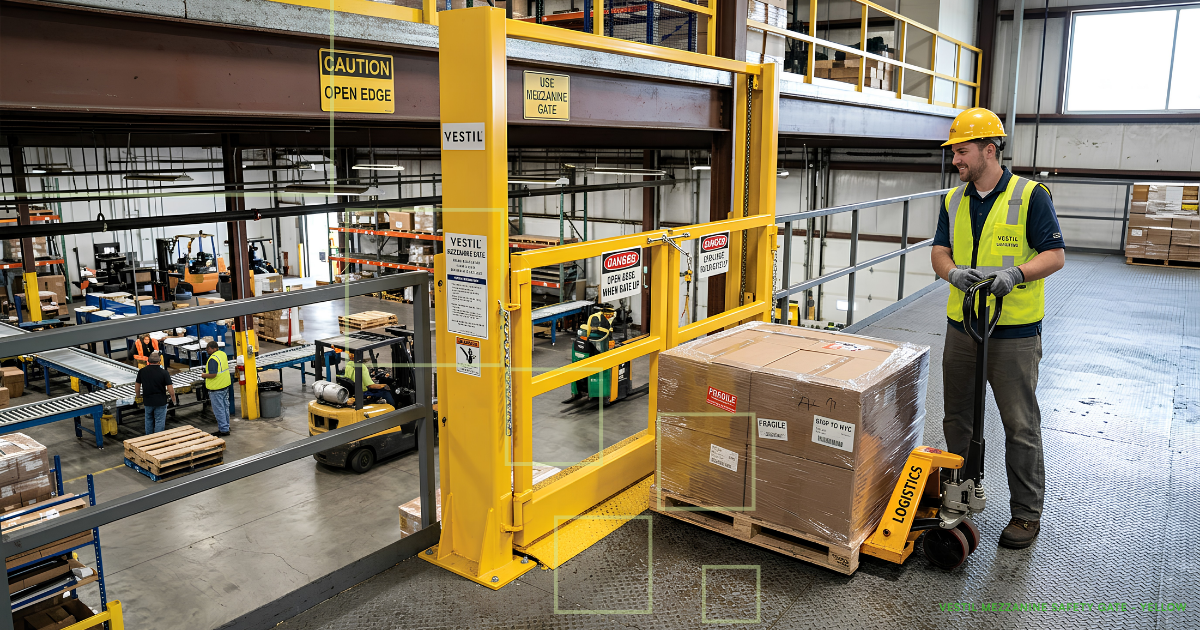
Vestil Mezzanine Safety Gate (MEZZ-200)
Ensure your staff stays completely secure during multi-level inventory loading. Features an OSHA-required 42-3/8" handrail, balanced rotation mechanism (no springs required), and durable powder-coat safety yellow finish.
View Product DetailsMezzanines as a Cost-Effective Solution
When considering expansion or renovation, cost is always a critical factor. Mezzanines offer a cost-effective solution that can provide significant returns on investment. Traditional expansion methods often involve extensive construction, high costs, and prolonged downtime, which can disrupt operations and lead to lost revenue. In contrast, freestanding mezzanines—which command over 38% of the market share due to their non-intrusive design—can be installed relatively quickly and with minimal disruption, allowing businesses to continue operating smoothly while the work is being carried out.
The financial benefits of mezzanines extend beyond the initial installation. By increasing the usable space within the existing footprint, businesses can accommodate more guests, leading to higher occupancy rates and increased revenue.
With global hotel performance trending toward modest occupancy growth, revenue gains are primarily driven by optimizing the Average Daily Rate (ADR) and maximizing internal efficiency.
For restaurants, a mezzanine means more tables and, consequently, more diners served. For hotels, it translates to additional rooms, higher booking rates, or secondary monetization zones like boutique spa areas or private event spaces. The ability to generate more income from the same amount of space makes mezzanines an attractive and viable investment.
Furthermore, mezzanines can be constructed using a variety of materials and designs, allowing businesses to choose options that best fit their budget and aesthetic preferences. Whether opting for a simple, functional design or a more elaborate, high-end finish, there are mezzanine solutions available to suit every need and financial constraint. This versatility makes mezzanines an accessible and practical option for hospitality businesses of all sizes, ensuring that structural growth aligns perfectly with the procurement of critical
Case Studies: Successful Mezzanine Implementations
To truly understand the impact of mezzanines in the hospitality industry, it’s helpful to look at real-world examples of successful implementations.
-
Boutique Hotel (New York City): Transformed its underutilized, high-ceiling lobby space by adding an architectural mezzanine level. This addition created a new cocktail lounge area that not only provided guests with a comfortable place to relax but also offered a unique vantage point overlooking the bustling street below. The hotel saw a measurable increase in guest satisfaction metrics and a major boost in food and beverage revenue from the secondary bar service.
-
Popular Casual Dining Restaurant (London): Faced constant challenges with long walk-in wait times and overcrowding during peak hours. By installing a prefabricated steel mezzanine, the restaurant safely doubled its seating capacity without needing to acquire adjacent real estate. The new level provided an intimate dining experience with clear views of the open kitchen below, reducing average weekend wait times significantly.
-
Major Convention Center (Las Vegas): Needed to accommodate a higher volume of trade show attendees without expanding its physical footprint. By incorporating modular indoor mezzanines into their exhibition halls, they created secondary meeting room tiers and temporary media zones. This structural pivot allowed them to host larger, multi-track events simultaneously, maximizing event-driven revenue.
Design Considerations for Hospitality Mezzanines
When planning to incorporate mezzanines into a hospitality space, several design considerations must be taken into account to ensure the final result is both functional and aesthetically pleasing. One of the primary considerations is the structural integrity of the existing building. It’s essential to assess whether the current structure can support the additional load of a mezzanine. Consulting with structural engineers and architects is crucial to ensure safety and compliance with building codes.
Another important factor is accessibility. Mezzanines should be designed with ease of access in mind, providing convenient staircases or elevators for guests and staff. This is particularly important in hospitality settings where a seamless and comfortable guest experience is paramount. Thoughtful placement of access points can also help manage the flow of foot traffic and prevent congestion in busy areas, especially when staff are transferring clean
Aesthetics and functionality should be carefully balanced in mezzanine design. The choice of materials, colors, and finishes should complement the existing décor and enhance the overall ambiance of the space. Incorporating elements such as glass railings, open layouts, and strategic lighting can create a sense of openness and sophistication. Additionally, considering the specific needs of the business, such as storage, seating arrangements, and amenities, can help ensure the mezzanine serves its intended purpose effectively.
Regulatory and Safety Aspects of Mezzanine Construction
Ensuring compliance with regulatory and safety standards is a critical aspect of mezzanine construction in the hospitality industry. Building codes and regulations vary by location, so it’s essential to familiarize yourself with the specific requirements in your area. This often involves obtaining the necessary permits and approvals from local authorities before beginning construction.
Safety is paramount when designing and constructing mezzanines. This includes ensuring the structural integrity of the mezzanine, using appropriate materials, and adhering to fire safety regulations. Fire-rated materials, sprinkler systems, and proper egress routes are essential components of a safe mezzanine design. Additionally, handrails, guardrails, and anti-slip flooring can help prevent accidents and ensure the safety of guests and staff.
Regular inspections and maintenance are also crucial to maintaining the safety and functionality of mezzanines. This includes checking for any signs of wear and tear, ensuring the structural components remain sound, and addressing any issues promptly. By prioritizing safety and compliance, hospitality businesses can create mezzanine spaces that are not only functional and attractive but also secure and reliable.
Mezzanine Trends in the Hospitality Industry
As the hospitality industry continues to evolve, so too do the trends in mezzanine design and usage. One of the emerging trends is the use of sustainable materials and eco-friendly construction practices. With over 71% of global travelers actively seeking eco-friendly stay options, businesses are turning to vertical expansion as a inherently green solution—reusing existing building envelopes rather than developing raw land. Mezzanines constructed from recycled structural steel, energy-efficient LED configurations, and sustainable design elements appeal to eco-minded guests and enhance the overall green certifications of the establishment.
Another trend is the integration of technology into mezzanine spaces. Smart lighting, localized climate control zones, and advanced audio-visual systems can enhance the functionality and guest experience of mezzanines. For instance, a mezzanine lounge equipped with smart TVs and wireless charging stations can provide a modern and convenient space for guests to relax and stay connected. Technology can also be used to manage reservations, control lighting and temperature, and monitor real-time occupancy levels, creating a more efficient and enjoyable environment.
Flexible and multi-purpose mezzanines are also gaining popularity. These spaces can be easily adapted using modular partitions to serve different functions, shifting from a morning breakfast buffet overflow to an afternoon corporate meeting space, and finally into a nightly VIP lounge. This versatility allows businesses to maximize the utility of their mezzanine spaces, catering to a wide range of guest needs and preferences throughout the operational day.
How to Choose the Right Mezzanine for Your Business
Selecting the right mezzanine for your hospitality business involves careful consideration of various factors to ensure the final design meets your specific needs and goals. The first step is to assess your space and determine the primary purpose of the mezzanine. Whether you’re looking to expand seating capacity, create additional guest rooms, or provide a new amenity, having a clear understanding of your objectives will guide the design and construction process.
Budget is another critical consideration. Mezzanines can be designed to fit a wide range of budgets, so it’s essential to establish a realistic financial framework early on. This will help you make informed decisions about materials, finishes, and features while ensuring the project remains financially viable. Working with experienced architects and contractors can also help you identify cost-saving opportunities without compromising on quality or aesthetics.
Finally, consider the long-term impact of the mezzanine on your business. Think about how the mezzanine will enhance the guest experience, improve operational efficiency, and contribute to revenue growth. By taking a holistic approach and carefully planning the design, construction, and integration of the mezzanine, you can create a valuable asset that supports the success and growth of your hospitality business.
Conclusion: The Future of Mezzanines in Hospitality
The future of mezzanines in the hospitality industry is bright, with endless possibilities for innovation and enhancement. As businesses continue to seek ways to optimize space, enhance the guest experience, and drive revenue growth, mezzanines offer a versatile and cost-effective solution. By thoughtfully integrating mezzanines into their designs, hospitality businesses can create dynamic and engaging spaces that set them apart from the competition.
The benefits of mezzanines extend beyond mere space optimization. They can transform the look and feel of a space, create unique and memorable experiences for guests, and provide new opportunities for revenue generation. With careful planning, attention to design, and a focus on safety and compliance, mezzanines can become a valuable addition to any hospitality establishment.
As trends in sustainability, technology, and flexibility continue to shape the industry, mezzanines will undoubtedly play a crucial role in the future of hospitality. By embracing these trends and leveraging the potential of mezzanines, businesses can unlock new levels of success and create exceptional experiences for their guests. The future of mezzanines in hospitality is not just about adding an extra floor; it’s about unlocking new opportunities and reaching new heights of excellence.


